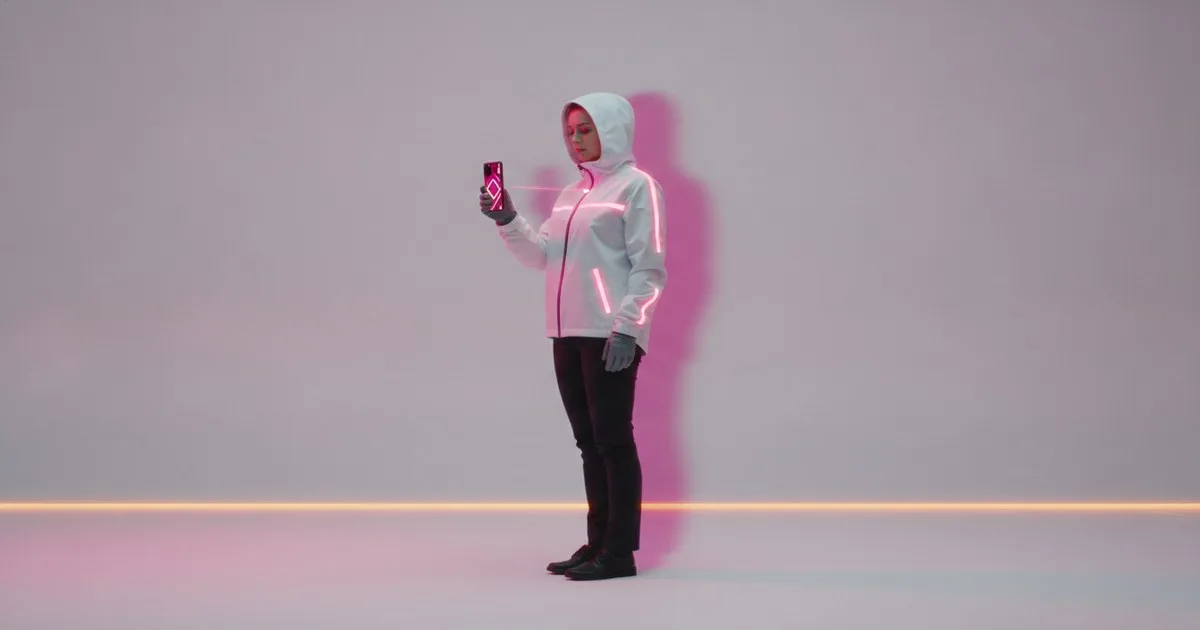
A size intelligence stack is a coordinated ecosystem of technologies that captures, analyzes, and applies human body dimensions to the garment lifecycle. By integrating mobile body scanning, predictive AI, and behavioral data, you can replace static size charts with personalized fit recommendations that reduce return rates by up to 25%. This approach moves beyond simple measurements, allowing your brand to understand the unique relationship between garment geometry and the diverse shapes of your actual customers.
Key takeaways
- Mobile body scanning converts two-dimensional smartphone photos into high-fidelity 3D body maps for precise measurement extraction.
- Predictive AI models can estimate over 50 body measurements using simple inputs like height, weight, and age without requiring a camera.
- A true size intelligence stack syncs fit data across e-commerce, product development, and marketing to create a unified view of the customer.
- Reducing "bracket shopping"—where customers buy multiple sizes to try at home—is the primary driver of ROI for fit technology.
- Data privacy remains the most critical hurdle, requiring transparent, encrypted, and often anonymized handling of biometric information.
What is a size intelligence stack and why do I need one?
For decades, the fashion industry has relied on a "standardized" sizing system that is anything but standard. Between vanity sizing and the variations in grade rules between brands, consumers are often left guessing. This uncertainty is the leading cause of e-commerce returns, which industry data suggests can hover between 30% and 40% for apparel.
You need a size intelligence stack because a single tool is rarely enough to solve the fit problem across your entire catalog. A stack allows you to meet different customer comfort levels—some users are happy to take a photo for a perfect fit, while others prefer answering a few quick questions. By layering these technologies, you collect a richer dataset that informs not just the individual purchase, but your entire future design process.
How does mobile body scanning work for my customers?
The most direct way to gather size data is through mobile body scanning. Modern solutions have moved away from expensive, specialized hardware booths toward the smartphone in the customer's pocket.
3DLOOK is a primary example of this technology in action. The process typically involves the customer taking two photos—one front-on and one profile—while standing in front of their phone. The AI then processes these images to identify key landmarks on the body, such as the narrowest part of the waist, the widest part of the hips, and the exact inseam length.
What makes this "intelligence" rather than just a "measurement" is the ability to map these 3D body coordinates against your specific garment specifications. The system doesn't just tell the user they have a 32-inch waist; it tells them that, based on the drape and stretch of your specific denim fabric, they should choose a size 6 for a slim fit or a size 8 for a relaxed look.
Can I predict fit without asking customers to take photos?
While body scanning offers high precision, there is always a segment of the audience that will opt out due to privacy concerns or simple friction. This is where predictive modeling becomes essential.
Bold Metrics specializes in this algorithmic approach. Instead of a camera, the system uses a survey-based interface. By asking for a few data points—typically height, weight, age, and sometimes how the user prefers their clothes to fit (tight vs. loose)—the AI can predict a full suite of body measurements with a high degree of accuracy. This is achieved by comparing the user’s inputs against a massive database of verified body scans and anthropometric data.
This method is particularly effective for high-volume basics or categories where the fit is more forgiving. It provides a low-friction entry point for the customer while still generating the "size data fashion" insights your product team needs to understand the physical reality of your target demographic.
How do I integrate behavioral data into my fit strategy?
The third pillar of the stack is behavioral and purchase history data. This doesn't look at the body itself, but at the "wisdom of the crowd" and the individual's past successes.
True Fit operates one of the largest datasets in this space, connecting millions of shoppers with thousands of brands. Their platform looks at what a customer has bought and kept in the past across various retailers. If a user consistently keeps a size Medium in a specific brand known for its athletic cut, the system can translate that preference into a recommendation for your brand.
Similarly, Fit Analytics, now part of the Snap Inc. ecosystem, uses a massive global network of purchase and return data to refine its recommendations. By asking a user "What size do you wear in [Brand X]?", the system can bridge the gap between your brand's unique sizing and the customer's existing wardrobe. This behavioral layer is a powerful tool for building immediate trust with a new shopper who hasn't yet experienced your brand's fit.
Comparison: Choosing the right tool for the task
| Technology Type | Primary Goal | Best For | Limits |
|---|---|---|---|
| Mobile Body Scanning | High-precision measurements | Made-to-measure, technical gear, high-end denim | Higher customer friction; requires good lighting/outfit |
| Predictive AI | Fast, scalable estimation | Mass market, basics, rapid checkout | Relies on user honesty regarding weight/height |
| Behavioral Data | Cross-brand translation | Multi-brand retailers, established brands | Less effective for unique, avant-garde silhouettes |
What are the technical requirements for building this stack?
Building a size intelligence stack is not a "plug-and-play" endeavor; it requires a clean data foundation. Before you can implement tools like 3DLOOK or Bold Metrics, your internal product data must be organized.
- Digital Grade Rules: You must have digital versions of your size charts and, ideally, your grade rules (the specific increments between sizes).
- Product Metadata: Each SKU needs metadata regarding fabric stretch (modulus), garment intent (e.g., "oversized" vs. "compression"), and material composition.
- API Integration: Most fit platforms provide an API or a lightweight JavaScript snippet for your e-commerce front-end. You will need to ensure your checkout flow can pass anonymous session IDs to the fit tool and receive a size recommendation in return.
- Feedback Loops: The stack is only truly "intelligent" if the return data flows back into it. If a customer uses a body scan, receives a size 10 recommendation, but returns it because it's "too small," that data point must be ingested to recalibrate the algorithm for that specific garment.
How do I measure the ROI of size intelligence?
The most immediate metric is the Return Rate (RR). You should track the RR of customers who use the fit tools versus those who don't. It is common to see a 20-30% lower return rate among the "tool-assisted" group.
Beyond returns, look at Conversion Rate (CVR). When a customer sees a confident "Your Recommended Size: 12" instead of a confusing chart, they are significantly more likely to add to cart. Finally, consider Average Order Value (AOV). Size intelligence reduces "bracket shopping," where a customer buys sizes 8, 10, and 12 with the intention of returning two. While this might slightly lower the initial AOV, it drastically increases the net profit per order by eliminating the shipping and processing costs of the inevitable returns.
What remains unsolved in size intelligence?
Despite the advancements of 3DLOOK and others, the industry still struggles with the "subjectivity of fit." Two people with identical measurements may want their clothes to fit differently based on personal style or tactile sensitivity. AI can predict the physical fit, but it cannot yet perfectly predict the psychological fit.
Furthermore, data silos remain a challenge. Often, the fit data collected by the e-commerce team never makes its way back to the design team's pattern-making software. Closing this loop—where real-world body data directly influences the next season's blocks—is the next frontier for the size intelligence stack.
FAQ
How does body scanning handle different clothing types during the scan?
Most mobile scanning tools, such as 3DLOOK, require the user to wear tight-fitting clothing, like leggings or swimwear, to accurately capture the body's silhouette. Loose clothing obscures the landmarks needed for precise measurement. The AI is trained to subtract the thin layer of tight clothing to estimate the true skin-to-skin dimensions.
Is customer body data stored securely?
Enterprise-grade fit platforms use encryption and often anonymize data. For example, images used in body scanning are frequently processed in the cloud to extract measurements and then immediately deleted, leaving only the numerical data points. Brands must ensure their stack complies with GDPR and CCPA regulations regarding biometric information.
Can fit technology help with vanity sizing?
Yes. Size intelligence tools act as a neutral translator. They don't care what label is on the garment; they map the physical dimensions of the piece to the physical dimensions of the user. This allows a brand to maintain its internal sizing logic while ensuring the customer gets the right physical fit.
How long does it take to implement a fit recommendation engine?
Basic integration of a survey-based tool can take as little as 2-4 weeks if your size charts are ready. More complex integrations involving mobile body scanning and custom API connections for a global brand can take 3-6 months, depending on the complexity of the tech stack and the number of SKUs.
Does size intelligence work for children's wear?
It is more challenging. Children's bodies change rapidly, and data privacy laws (like COPPA) are much stricter regarding minors. Some predictive models work by using age and height growth charts, but mobile body scanning is generally restricted to adult users for legal and ethical reasons.
What is the difference between a size chart and size intelligence?
A size chart is a static, one-way communication of what the brand thinks a size should be. Size intelligence is a dynamic, two-way exchange that uses real-time body data and behavioral history to predict how a specific garment will actually feel on a specific individual.
How do these tools handle stretch fabrics?
Advanced stacks integrate material properties into the recommendation. If a garment has high elastane content, the system knows there is more "forgiveness" in the fit. This is why providing accurate material data to your fit partner is just as important as the body measurements themselves.