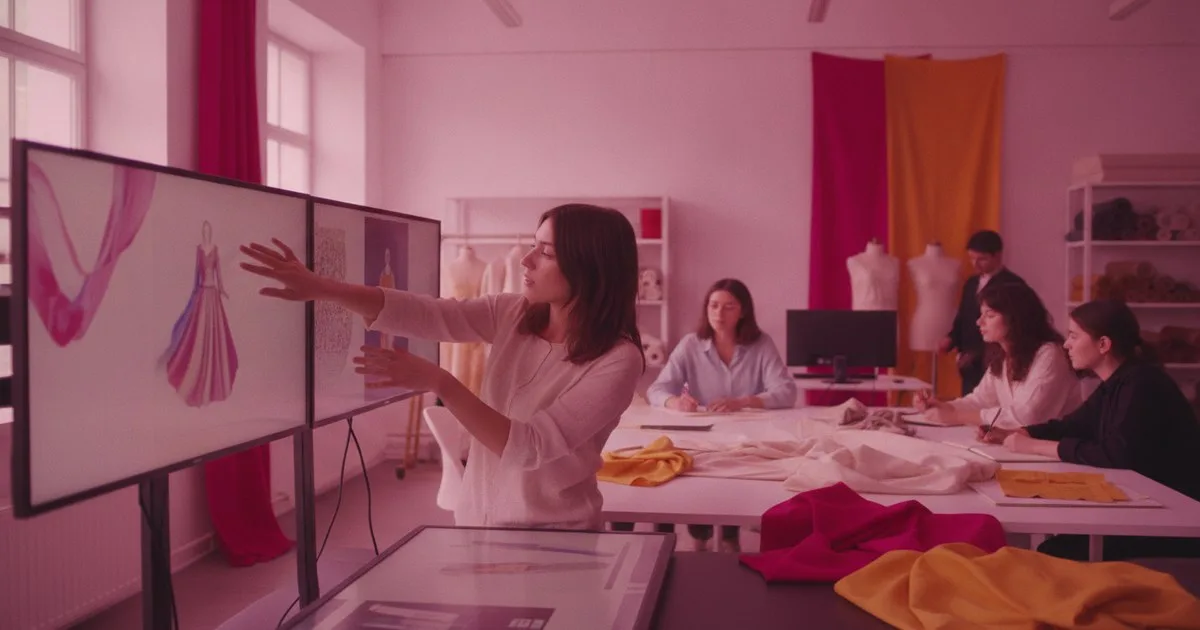
The partnership between De Montfort University and CircKit addresses the critical shortage of circular design skills by integrating lifecycle-based methodologies directly into the fashion curriculum. For founders and brands, this signals a shift toward a talent pipeline that treats sustainability as a technical requirement rather than a marketing afterthought. By equipping students with practical tools to navigate the complexities of the circular economy, this collaboration ensures the next generation of designers can meet the rigorous demands of upcoming environmental regulations and consumer expectations.
Key takeaways
- Circularity is transitioning from an elective specialization to a core requirement in fashion higher education.
- Data literacy and lifecycle assessment are now essential skills for entry-level design roles.
- Academic partnerships with technology providers like CircKit bridge the gap between theoretical sustainability and industrial application.
- Brands hiring from these programs gain employees ready to implement digital product passports and circular business models immediately.
How does the DMU and CircKit partnership change fashion education?
Traditionally, fashion education focused on the aesthetic and construction phases of a garment's life. The partnership between De Montfort University (DMU) and CircKit represents a fundamental shift toward a holistic view of the product lifecycle. Students are no longer just taught how to make a beautiful dress; they are taught how to design that dress for disassembly, repair, and eventual recycling.
This integration of circular principles into the classroom environment means that students use real-world data to evaluate their design choices. They learn to consider the environmental impact of raw materials, the energy consumed during production, and the logistics of take-back schemes. By the time these students enter the workforce, they possess a native understanding of circularity that older generations of designers often have to learn through mid-career upskilling. For a business audience, this means a reduction in the training time required for new hires to align with corporate sustainability goals.
Why is circularity becoming a core requirement for fashion talent?
The fashion industry is facing a wave of new regulations, particularly in Europe, that demand greater transparency and accountability. Frameworks provided by organizations like the Ellen MacArthur Foundation have established the standard for what a circular economy looks like: designing out waste and pollution, keeping products and materials in use, and regenerating natural systems.
As reported by FashionUnited, brands are increasingly looking for talent that can navigate these frameworks without extensive hand-holding. The demand is no longer for "sustainability consultants" who sit outside the design team, but for "circular designers" who sit at the heart of it. These individuals must understand the chemistry of dyes, the mechanical limits of recycled fibers, and the digital infrastructure needed to track a garment through multiple owners. The DMU and CircKit initiative is a direct response to this market need, ensuring that the talent pipeline is not just aware of these issues but capable of solving them.
What specific skills are brands looking for in sustainability teams?
When you are building a sustainability team or hiring for a design role in 2026, the list of required skills has expanded significantly. It is no longer enough to have a passion for the environment; technical proficiency is the new baseline. Professionals in this space are increasingly expected to handle complex supply chain data, a topic explored in our analysis of Supply Chain AI Readiness: Where Fashion Brands Are Stalling.
Key skills currently in high demand include:
- Lifecycle Assessment (LCA): The ability to quantify the environmental footprint of a product from cradle to grave.
- Design for Disassembly: Mastery of construction techniques that allow a garment to be easily taken apart for recycling or repair.
- Material Science: Understanding the properties of bio-based synthetics and the recyclability of blended fabrics.
- Digital Literacy: Proficiency in using platforms that manage circularity data, such as those provided by CircKit.
According to industry insights from Sourcing Journal, the ability to integrate these technical skills with creative vision is what distinguishes top-tier talent in the current market. Brands are looking for individuals who can prove that a circular garment is not only sustainable but also commercially viable and aesthetically pleasing.
How do academic partnerships compare to internal brand training?
For many brands, the choice is between hiring pre-trained talent or investing in internal training programs. While internal training allows for alignment with specific brand DNA, it is often resource-intensive and may lack the breadth of a formal academic program. Academic partnerships, on the other hand, provide a more comprehensive foundation but may require brands to wait for the next graduation cycle to fill roles.
| Training Model | Best For | Limits |
|---|---|---|
| Academic Partnerships | Building a long-term, "circular-native" talent pipeline | Curriculum updates can lag behind rapid tech shifts |
| Internal Brand Training | Aligning sustainability goals with specific company workflows | High overhead and potential for narrow, siloed knowledge |
| Industry Certifications | Targeted upskilling for existing staff and leadership | Often lack the hands-on, project-based practice of a degree |
News Roundup: Circularity and Education
On 2026-08-13, De Montfort University (DMU) and CircKit announced a strategic partnership to embed circularity into the fashion curriculum, focusing on providing students with the practical skills and technical tools required to meet the evolving demands of the sustainable fashion industry Just Style. This move highlights the growing importance of industry-academia collaboration in solving the fashion sector's environmental challenges.
FAQ
What is the primary goal of the DMU and CircKit partnership?
The partnership aims to integrate circular economy principles and practical technical tools into the fashion curriculum at De Montfort University. This ensures that students graduate with the hands-on skills needed to design, produce, and manage garments within a circular business model, directly addressing the industry's current skills gap.
Why should fashion founders care about circular education?
Founders should care because the cost of upskilling traditional designers in circularity is high. By hiring graduates from programs that embed these skills, founders can accelerate their sustainability initiatives, ensure compliance with emerging regulations, and build a more resilient, future-proof brand from the ground up.
What are the most critical circular design skills for new hires?
Critical skills include proficiency in lifecycle assessment (LCA), knowledge of material recyclability, and the ability to design for disassembly. Additionally, data literacy is vital, as designers must now interact with digital platforms to track material origins and environmental impact throughout the product's life.
How does this partnership impact supply chain transparency?
By training students to use tools like CircKit, the partnership fosters a culture of data-driven transparency. Graduates enter the industry equipped to manage the documentation and tracing required for digital product passports, which are becoming essential for verifying sustainability claims and meeting regulatory standards.
Can existing brands benefit from these academic initiatives?
Yes. Brands can engage with these programs through internships, sponsored projects, and recruitment pipelines. This allows companies to stay at the forefront of circular design research while gaining access to a pool of talent that is already trained in the latest sustainable methodologies and technologies.