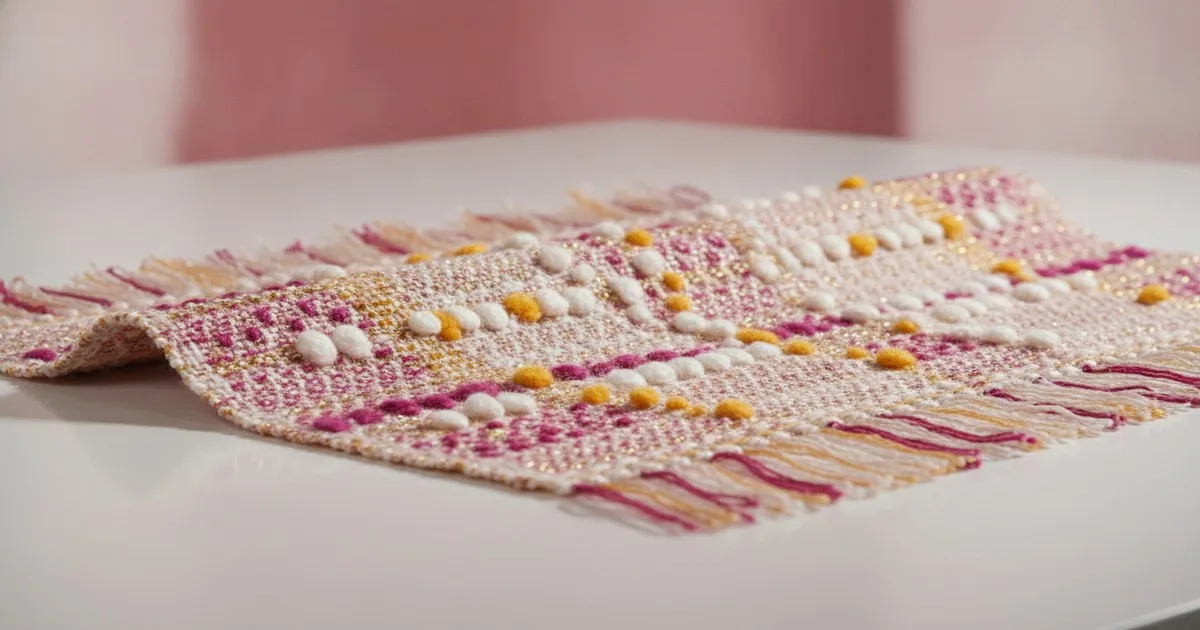
Physical fabric has always resisted translation. A textile's drape, sheen, and stretch exist in three dimensions; a photograph flattens them. Vizoo was built to close that gap — producing hardware and software that capture a fabric's physical behaviour and export it in formats that 3D design environments can use without guesswork.
Key takeaways
- Vizoo's xTex scanner captures physically accurate material data from real swatches and outputs simulation-ready files.
- The company describes itself as the globally leading provider of hardware and software for physically accurate material digitisation.
- An accredited partner network — anchored by MAS as the first accredited services partner — lets brands outsource scanning without buying hardware.
- Renate Eder has been appointed sole managing director and CEO, with founder Martin Semsch moving to an advisory role.
- Meaningful questions about revenue, headcount, and roadmap timelines remain unanswered in public sources.
What did Vizoo become known for?
Vizoo's name became synonymous with one product category: fabric scanning hardware for 3D pipelines. The core device, the xTex scanner, captures a swatch under controlled lighting conditions and extracts the material maps — diffuse colour, normal, roughness, and the physical parameters that govern how a fabric bends and stretches — that simulation engines need to render garments convincingly.
Before tools like xTex, teams building digital samples had two options: paint material properties by hand (slow, inconsistent, and disconnected from the real textile) or use generic library assets that looked nothing like the actual fabric on order. Neither approach produced a digital twin that a brand could trust for fit approval or marketing imagery.
Vizoo positioned itself at that pain point and stayed there. Rather than expanding into design software or PLM, it deepened its focus on the scanning and material-data layer — the step that makes everything downstream more accurate.
What does Vizoo actually ship today?
The xTex scanner and material output
Vizoo sells the xTex scanner as its primary hardware product. The device captures physically based material maps from real fabric swatches and exports them in formats compatible with the major 3D garment-simulation environments. The company describes its output as "physically accurate" — meaning the digital file is derived from measured light interaction with the real textile, not from artistic approximation.
The workflow is broadly: place swatch in scanner → capture under standardised conditions → process into material maps → export to 3D tool. That output can feed directly into platforms like Browzwear VStitcher or Seddi's material layer, where the scanned data drives how a simulated garment drapes and renders.
Services and the accredited partner network
Not every brand or manufacturer wants to own a scanner. Vizoo has responded by building an accredited services partner network — third parties trained and certified to run xTex scanning on behalf of clients.
MAS, the Sri Lanka-based apparel manufacturer, became the first globally accredited material digitisation services partner in June 2023. The accreditation framework sets quality standards for scan output, giving brands confidence that digitised materials from a services partner meet the same fidelity bar as in-house scanning.
Technology partnerships
Vizoo's technology partner page lists integrations with product visualisation, 3D design, and digital product creation platforms. The company frames these partnerships as the connective tissue of a scalable 3D pipeline — xTex data flows into tools that brands already use, rather than requiring a proprietary end-to-end stack.
Customer evidence
JML Apparel, a Canada-and-China-based sportswear and apparel manufacturer, adopted Vizoo's digitisation technology in 2021 to build digital asset libraries for its brand customers. The case illustrates a pattern common in Vizoo's customer base: manufacturers and sourcing agents investing in scanning capability to serve brand clients who are building or expanding 3D design workflows.
In October 2024, Fast Track Sourcing — an apparel sourcing specialist with factories in India and offices across multiple countries — announced a strategic partnership with Vizoo to expand its digital product creation capabilities. Again, the pattern: a supply-chain actor adding scanning capacity to meet brand demand for digital materials.
For technical leads building digital-material libraries, this customer profile matters. Vizoo's installed base skews toward manufacturers and sourcing partners as much as toward brands directly — which means a brand's fabric suppliers may already have access to xTex scanning, making the case for standardised output formats across the supply chain.
Where is Vizoo heading?
Leadership transition
The most concrete signal about Vizoo's next phase is a leadership change. Renate Eder has been appointed sole managing director and CEO, with founder Martin Semsch moving to the advisory board. Vizoo describes this as a planned transition designed to create a leaner structure that supports the company's next phase of growth while keeping long-term strategic knowledge close to the business.
Eder had already been a key member of Vizoo's leadership team before the appointment. The move signals continuity of direction rather than a pivot — but it does mark a shift from founder-led to professionally managed, which typically accompanies a push to scale distribution or deepen enterprise relationships.
Accreditation as a growth lever
The partner accreditation programme — still relatively new, with MAS as its first certified member — looks like the clearest structural bet Vizoo is making. If the company can certify a global network of manufacturers and services bureaux to produce xTex-quality scans, it extends its reach without proportionally scaling its own headcount or hardware sales. Brands get access to digitisation capacity embedded in their existing supply chains; Vizoo gets recurring influence over quality standards across the industry.
Platforms like Frontier.cool that aggregate and distribute digital fabric data are part of the same ecosystem logic: the more standardised and trusted the scan output, the more useful it becomes across the digital product creation stack.
What public sources do not tell us
Vizoo's public communications are product- and partnership-focused. Several questions that matter to a technical lead evaluating the company remain unanswered:
- Pricing and licensing model. No public pricing exists for xTex hardware or software. Whether the model is perpetual licence, subscription, or consumption-based is not stated publicly.
- Scan throughput and format support. Detailed specs — swatches per hour, supported export formats, minimum fabric dimensions — are not published in the sources available.
- Roadmap specifics. Vizoo has not published a public product roadmap. Whether xTex will add new capture modalities, automated processing, or AI-assisted material classification is not verifiable from public sources.
- Revenue and scale. No funding rounds, revenue figures, or headcount numbers appear in public sources. The company is privately held and does not disclose financials.
For a technical lead, this means a vendor evaluation will require a direct conversation with Vizoo's team. The public record is strong enough to establish credibility and fit; it is not detailed enough to complete a procurement decision.
FAQ
What does the Vizoo xTex scanner actually capture? The xTex captures physically based material maps from real fabric swatches — including colour, surface normal, roughness, and physical simulation parameters — under controlled lighting. The output is a set of files that 3D garment-simulation software uses to render fabric behaviour accurately.
Which 3D platforms accept Vizoo xTex output? Vizoo maintains technology partnerships with multiple 3D design and visualisation platforms. Browzwear VStitcher and Seddi's material layer are among the environments that accept physically based material data of the type xTex produces. Check Vizoo's technology partner page for the current list.
Do we need to buy a scanner, or can we outsource scanning? Both options exist. Vizoo sells the xTex scanner directly. It also operates an accredited services partner network — MAS was the first certified member — where third parties run scanning on behalf of clients to a certified quality standard.
Who are Vizoo's typical customers? Public case studies show manufacturers and sourcing agents — JML Apparel and Fast Track Sourcing are named examples — investing in xTex to serve brand clients building 3D design workflows. Brands building in-house digital-material libraries are also a target segment.
Is Vizoo's pricing public? No. Vizoo does not publish hardware or software pricing. A direct inquiry to the company is required for a commercial evaluation.
Further reading
- MAS becomes the first accredited material digitisation services partner globally
- Fast Track Sourcing partnership announcement
- JML Apparel implementation case
- Vizoo technology partners
- Browzwear
- Frontier.cool
- Seddi